7 Key Factors Every Buyer and Investor Should Understand
Property prices in Addis Ababa often appear confusing to buyers and investors. Two properties with similar sizes and finishes can be priced very differently, and areas that were once considered secondary suddenly become some of the city’s most expensive locations. These price differences are not accidental. Real estate values in Addis Ababa are shaped by a combination of economic, regulatory, and urban development factors that work together over time. Understanding these factors is essential for anyone looking to buy, sell, or invest wisely.
One of the strongest drivers of property prices in Addis Ababa is land availability and zoning regulation. As the city continues to grow, legally approved and properly zoned land has become increasingly limited, particularly in central and well-developed areas. Properties built on land with clear zoning status and secure lease rights are naturally more valuable because they carry less legal risk. In contrast, areas where zoning plans are unclear or subject to change tend to experience slower price growth, as buyers remain cautious. Limited land supply combined with strong demand creates upward pressure on prices, especially in locations with stable urban plans.
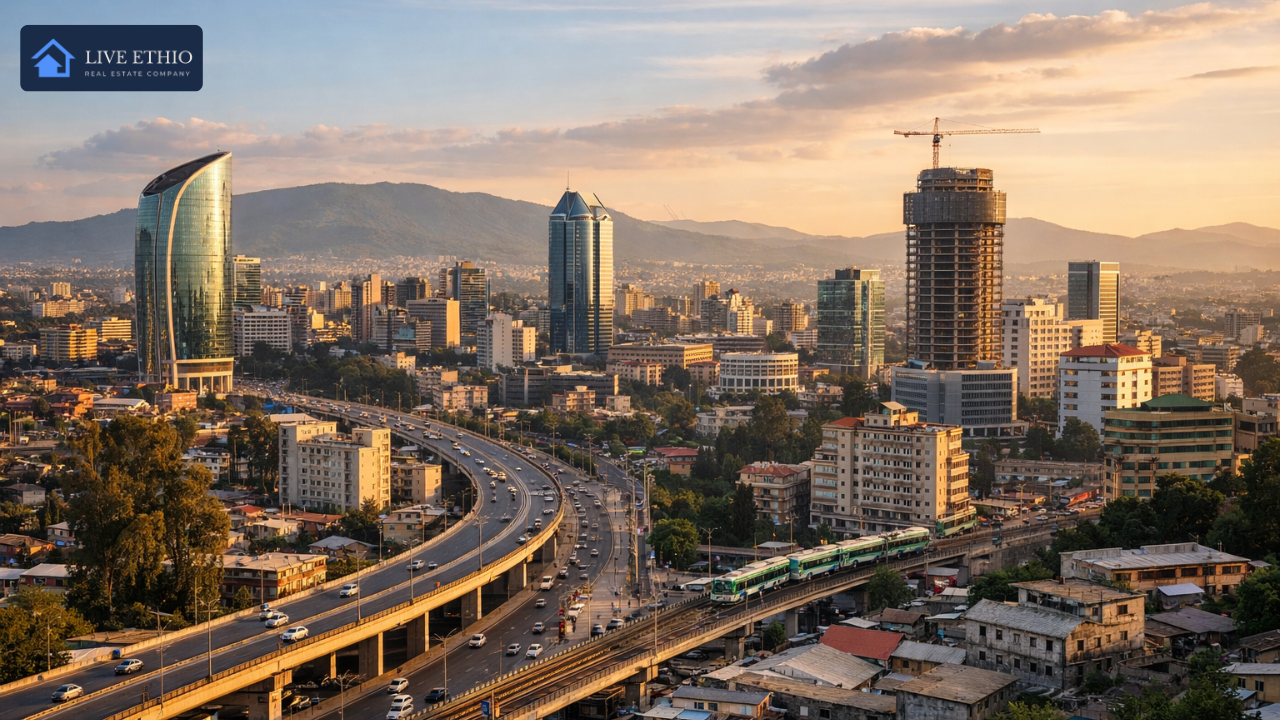
Infrastructure access plays a critical role in shaping property values across the city. Properties located near major roads, transport corridors, commercial centers, and business districts tend to command higher prices because they offer convenience, accessibility, and long-term growth potential. Even planned infrastructure projects can influence prices well before construction is completed. Buyers often anticipate future connectivity improvements, which causes demand and prices to rise early. Over time, areas with reliable infrastructure consistently outperform poorly connected neighborhoods in terms of appreciation.
The imbalance between housing supply and demand is another major factor driving property prices upward. Addis Ababa continues to face a significant housing shortage, particularly for well-built residential units that meet modern living standards. Rapid population growth, rural-to-urban migration, and an expanding professional class have increased demand for housing, while construction and development struggle to keep pace. This persistent gap between supply and demand means that even during periods of economic uncertainty, property prices tend to remain resilient rather than decline sharply.
Construction costs also have a direct impact on property prices throughout the market. Rising prices of building materials, fluctuations in foreign exchange, increased labor costs, and higher finishing standards all contribute to more expensive developments. Developers are forced to reflect these costs in selling prices, especially for new and off-plan projects. As construction becomes more expensive, existing properties also gain value because replacing them would require significantly higher investment. This creates a ripple effect that pushes overall market prices upward.
Government policies and regulatory frameworks strongly influence real estate values, even when buyers are not immediately aware of it. Land lease systems, construction permits, title registration procedures, and taxation policies all affect how smoothly properties can be developed, transferred, and owned. Clear regulations tend to boost confidence and attract long-term investors, while policy uncertainty can temporarily slow transactions. However, properties that fully comply with legal and regulatory requirements consistently maintain stronger value and experience fewer risks over time.
Inflation and currency dynamics further shape property prices in Addis Ababa. During inflationary periods, real estate is widely viewed as a safer place to store value compared to cash savings. As the cost of living rises, construction materials become more expensive and purchasing power declines, leading property prices to adjust upward. For many investors, property serves as a hedge against inflation, which increases demand and supports long-term price growth even in challenging economic conditions.
Finally, neighborhood reputation and future development potential significantly influence pricing. Areas known for safety, cleanliness, proximity to schools and hospitals, and access to commercial activity are naturally more attractive to buyers. In addition, neighborhoods with visible development plans or upcoming projects often experience price increases before improvements are completed. Buyers who recognize future potential early are often willing to pay a premium, which accelerates appreciation and reshapes market values.
In conclusion, property prices in Addis Ababa are driven by far more than aesthetics or size. They are the result of land scarcity, infrastructure development, demand pressure, construction economics, regulatory clarity, inflation trends, and neighborhood perception. Buyers and investors who understand these forces are better positioned to identify value, avoid unnecessary risks, and make confident long-term decisions. Successful real estate investment is not about guessing the market, but about understanding the fundamentals that shape it.