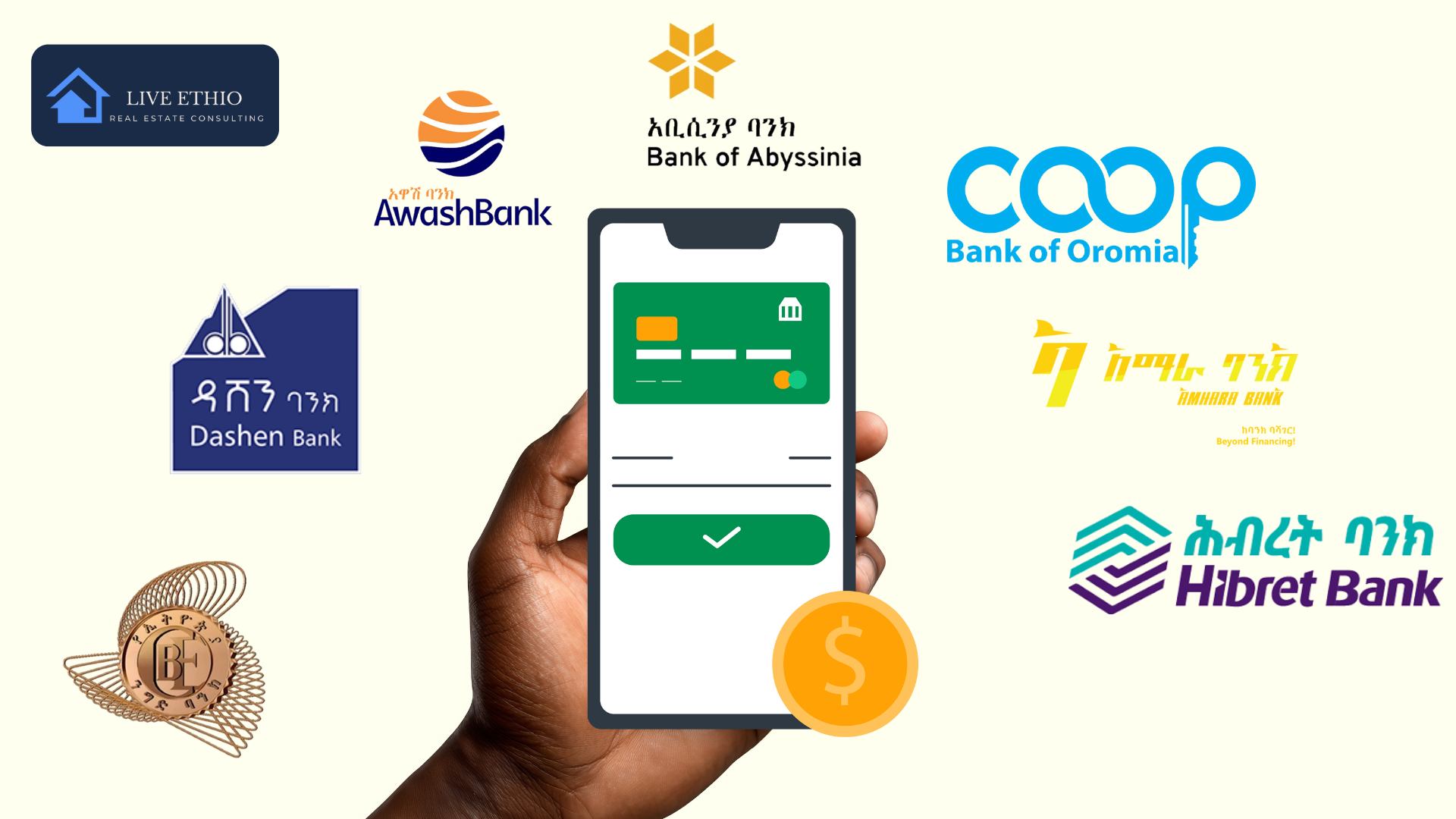
Ethiopia’s financial sector is undergoing one of the most dramatic transformations in its modern history. For decades, the country operated under a strictly traditional banking system, with limited digital infrastructure, low financial inclusion, and almost no foreign participation. But in the past five yearsespecially since 2020 the shift toward digital payments, mobile money, fintech, and capital market liberalization has accelerated at a pace that is already reshaping the economy. For investors, diaspora entrepreneurs, and anyone considering launching a business in Ethiopia, understanding this shift is essential, because digital finance is now becoming the backbone of Ethiopia’s emerging modern economy.
The biggest driver of this transformation has been the explosive rise of e-money and mobile banking services. According to the National Bank of Ethiopia (NBE), more than 48 million Ethiopians are now active mobile money users, a number that has more than doubled since 2021. Telebirr alone has surpassed 44 million registered users, processing billions of birr in monthly transactions across airtime purchases, bill payments, merchant payments, and remittances. Commercial banks have also expanded aggressively, with over 10 million active mobile banking users across the major institutions. This sudden digital leap has drastically reduced barriers to financial access, allowing millions of people especially in rural areas to join the formal financial system for the first time.
This rapid adoption has created new demand for digital payment infrastructure, merchant systems, e-commerce solutions, and fintech startups. Small shops that once operated purely in cash are now accepting digital payments through Telebirr and private bank apps. Municipal services, utility bills, and even government fees are shifting toward e-payment systems. For entrepreneurs, this creates openings to build online marketplaces, digital service businesses, logistics companies, point-of-sale solutions, ride-hailing platforms, and subscription-based service models. Many of these industries were nearly impossible to operate before the rise of instant mobile payments.
E-commerce has also taken off as a direct result of digital payments. Platforms such as Jumia, Gooday, Zmall, and independent Instagram-based sellers have reported rapid growth in the past two years. Ethiopia’s young population where 70% is under the age of 30 is increasingly shopping online, ordering food delivery, signing up for entertainment subscriptions, and using digital wallets for day-to-day convenience. The more mobile banking grows, the more the e-commerce ecosystem expands with it. This creates fertile ground for diaspora investors who want to build brands, online shops, digital logistics systems, or mobile-based service businesses without needing traditional banking hurdles.
One of the most significant developments, however, is Ethiopia’s shift toward capital market liberalization. In 2024, the government issued the country’s first-ever investment banking licenses, allowing non-bank financial firms to operate in areas such as securities trading, corporate advisory, and venture financing. This move comes alongside the establishment of the Ethiopian Securities Exchange (ESX), which will allow companies to raise funds by issuing shares and bonds for the first time in Ethiopia’s history. These changes will introduce more structured financing, increase liquidity in the private sector, and attract both domestic and foreign investors who were previously locked out of Ethiopia’s tightly regulated financial system.
For entrepreneurs, especially those in technology and real estate, this shift is a game-changer. Access to investment banks means more opportunities for capital, partnerships, and formalized business growth. For diaspora investors, it signals that Ethiopia is opening its doors to modern financial structures, making it easier than ever to invest, scale, and exit businesses.
Even remittances one of the pillars of Ethiopia’s economy are being reshaped by digital payments. Cross-border transfers through mobile wallets are becoming more common, reducing reliance on expensive intermediaries and increasing the flow of funds into the country. Because remittances contribute more than 5% of Ethiopia’s GDP, improved digital channels will continue to energize both consumption and investment.
Taken together, these changes show a clear pattern: Ethiopia is transitioning away from a cash-dominated economy toward a digitally enabled one capable of supporting fast-growing businesses, modern financial instruments, and large-scale investment. For businesses, this means more efficient transactions, access to a larger customer base, and reduced cash-handling risks. For investors, it signals that the country is entering a new stage of market maturity, where digital finance will play a central role.
As digital finance expands, the real estate sector is also feeling the impact. Online property marketplaces now allow buyers especially the diaspora to browse a house for sale, compare prices, and make secure payments or deposits through mobile banking systems. This shift reduces friction in the buying process and is expected to accelerate property transactions as digital adoption grows across Ethiopia.