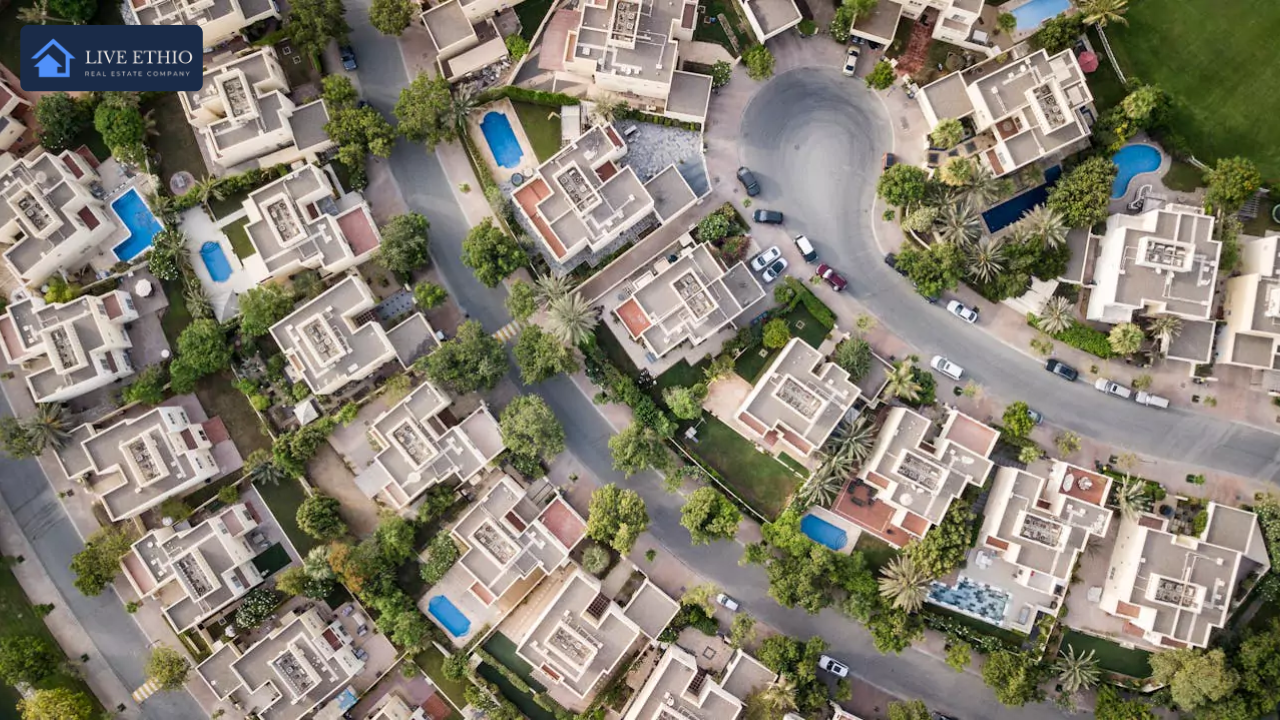
Real estate in Ethiopia is a multifaceted market shaped by rapid urbanization, government policy, population growth, and evolving investor behavior. As one of Africa’s fastest-growing economies, Ethiopia presents unique opportunities for both local and international stakeholders interested in residential, commercial, and mixed-use developments.
Understanding the Market Structure
The Ethiopian real estate market is distinct in its structural framework, particularly with respect to land ownership. Under the current system, land is public property and is leased to individuals and developers by government authorities for fixed periods. Despite this unique setup, the market operates with active participation from buyers, developers, and financial institutions, contributing to vibrant activity in urban centers. Addis Ababa, the capital city, stands as the focal point of real estate activity, followed by other growing cities including Dire Dawa, Hawassa, and Bahir Dar. The nature of demand varies by location, but several consistent themes have emerged across the market.
Residential Market Dynamics
The residential segment is driven by two main forces: first-time homebuyers and investors. Young professionals and families seek quality housing with accessible amenities, while investors including members of the diaspora prioritize properties with strong rental prospects and capital appreciation potential. In recent years, there has been a noticeable shift toward mid-to-high-end apartments and gated community developments, particularly in central districts of Addis Ababa such as Bole, CMC, Ayat, and Summit. These areas offer modern living spaces, proximity to business districts, and improved infrastructure, making them attractive to both local residents and foreign buyers. On the other end of the market, demand for affordable housing remains strong, particularly among lower- and middle-income segments. However, supply has historically lagged behind demand due to constraints related to land access, financing challenges, and construction costs. Addressing this gap remains a priority for policymakers, developers, and financial institutions aiming to provide inclusive housing solutions.
Commercial Real Estate and Investment Interest
Commercial real estate in Ethiopia includes office buildings, retail centers, hospitality projects, and mixed-use developments. While the market has faced challenges due to global economic fluctuations, demand for quality commercial space in urban centers has remained resilient. Office properties near major business hubs in Addis Ababa continue to attract tenants, while retail centers benefit from expanding consumer markets and growing urban populations.
Investment interest in Ethiopia’s real estate has expanded beyond local capital, with diaspora investors and select international developers participating in larger projects. Although foreign direct investment in the property sector is influenced by regulatory frameworks and land lease policies, the overall appetite for long-term real estate assets continues to grow.
Key Trends Shaping the Sector
Several trends are influencing real estate in Ethiopia today:
- Vertical development: With limited land availability in central city areas, developers increasingly adopt vertical construction, particularly in medium- and high-rise apartment buildings.
- Transport-linked growth corridors: Areas near major roads, transport hubs, and planned infrastructure projects often experience accelerated price growth and development interest.
- Financing innovations: Emerging mortgage products and developer financing options are beginning to make homeownership more accessible, though affordability challenges persist.
- Diaspora engagement: Ethiopian diaspora communities remain key players in the real estate market, contributing foreign currency and stimulating demand in prime and emerging locations.
Opportunities and Considerations
For investors and homebuyers alike, Ethiopia’s real estate market offers notable opportunities but also requires careful analysis. Prime locations in Addis Ababa tend to deliver strong long-term value, particularly where infrastructure improvements and economic activity intersect. Meanwhile, emerging suburban and peri-urban areas may offer higher growth potential as development spreads outward from city centers. However, navigating regulatory processes, understanding land lease terms, and evaluating project quality are essential steps for success. Working with experienced agents, conducting thorough due diligence, and assessing long-term market trends can help mitigate risk and optimize investment outcomes.
As Ethiopia continues to urbanize and its economy diversifies, real estate will remain a key sector shaping the country’s development. The balance between housing demand, commercial growth, and inclusive development will define opportunities for stakeholders in the years ahead. With thoughtful planning, strategic investment, and responsive policy support, real estate in Ethiopia holds the potential to deliver sustainable value for communities, investors, and the nation as a whole.