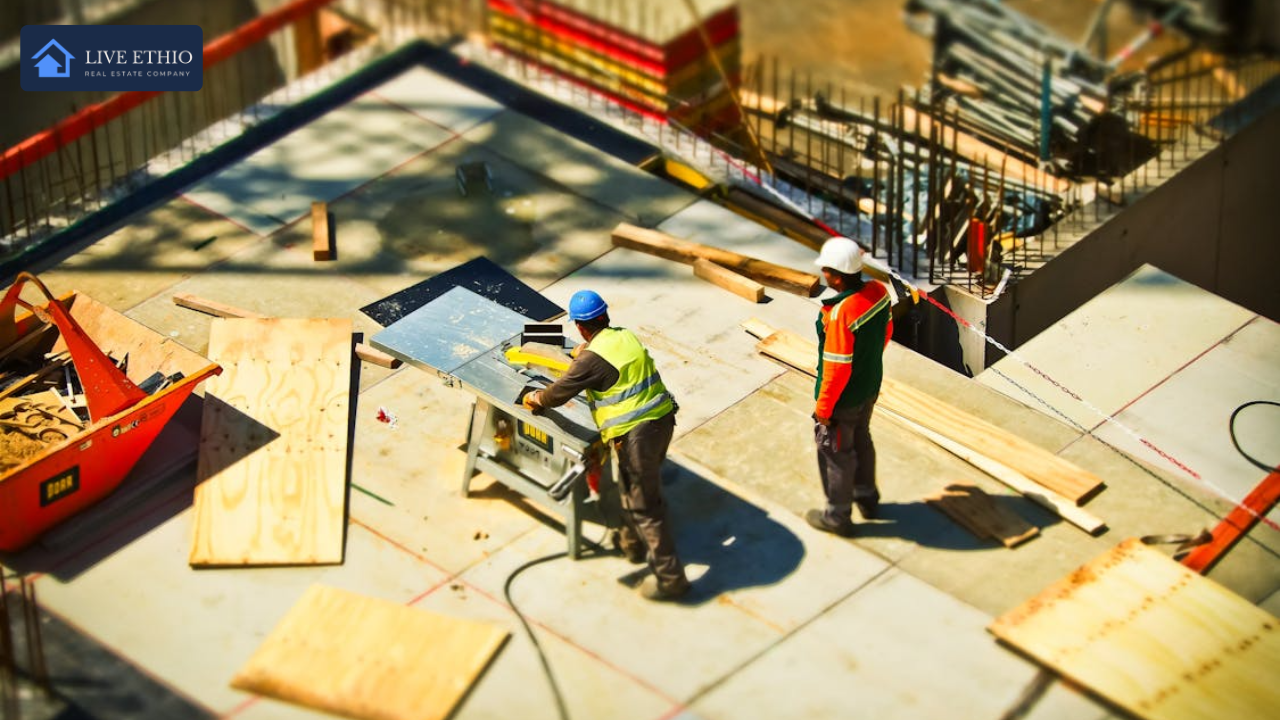
The Critical Role of Quality in Real Estate
When it comes to real estate, many investors focus on location, price, or rental potential but one factor can outweigh them all: construction quality. A property built with poor materials, inadequate planning, or substandard workmanship can lead to costly repairs, low tenant satisfaction, and decreased resale value.
In contrast, properties constructed with attention to quality and durability deliver higher returns, attract reliable tenants, and appreciate faster over time. Understanding the importance of construction quality is essential for anyone investing in residential or commercial real estate in Addis Ababa or anywhere else.
This article explores why construction quality is critical, how it affects your investment, and what investors should look for before purchasing a property.
1. How Construction Quality Affects Property Value
The materials and workmanship used in a property directly impact its market value. Poor-quality construction often leads to structural issues, water leaks, electrical faults, and faster deterioration of finishes. These problems not only reduce the property’s resale value but also increase ongoing maintenance costs.
Key Aspects of Construction Quality
- Structural Integrity: Proper foundation, walls, and roof design prevent long-term settlement issues and damage.
- Material Durability: High-quality cement, steel, wood, and finishing materials last longer and maintain aesthetic appeal.
- Plumbing and Electrical Systems: Well-planned and installed systems reduce the risk of leaks, fires, and breakdowns.
- Finishing and Detailing: Quality flooring, tiles, and paint make the property more attractive to tenants and buyers.
Example: In Addis Ababa, a 5-year-old apartment built with substandard materials in a developing area required major repairs on the roof, plumbing, and walls. Meanwhile, a similarly priced apartment in the same neighborhood, built with quality materials and proper planning, remained in excellent condition, attracting tenants immediately and selling for 20% more on resale.
2. Long-Term Financial Implications
Investing in low-quality construction can have significant financial consequences:
- High Maintenance Costs: Poor construction leads to recurring repairs, such as leaking roofs, cracked walls, and faulty electrical systems.
- Lower Rental Income: Tenants are willing to pay more for secure, well-maintained, and aesthetically pleasing properties. Poor construction may reduce occupancy rates.
- Reduced Appreciation: Properties built with inferior materials appreciate slower than well-constructed ones, limiting your long-term returns.
Conversely, high-quality construction offers long-term savings and higher ROI. Minimal repairs, fewer tenant complaints, and faster appreciation make quality buildings a safer and smarter investment.
3. How to Identify Quality Construction
Before investing, it’s essential to recognize the hallmarks of good construction. Here’s what to look for:
a) Structural Design and Engineering
- Check for professional architectural and engineering plans.
- Ensure the building has a solid foundation and appropriate structural support for its size.
- Look for earthquake and weather-resistant features, especially important in regions prone to environmental challenges.
b) Materials Used
- Verify the type of cement, steel, wood, and finishing materials used.
- High-quality materials may cost more initially but save money in maintenance and increase property longevity.
- Avoid properties with visible cracks, weak flooring, or low-grade fittings.
c) Workmanship
- Inspect walls, ceilings, and floors for smooth finishes and alignment.
- Check windows and doors for proper installation, sealing, and durability.
- Observe plumbing and electrical installations for safety and functionality.
d) Certifications and Compliance
- Ensure the property complies with local building codes and regulations.
- Look for certifications from professional engineers or contractors confirming the construction standards.
4. The Impact on Tenant Satisfaction
Tenant satisfaction is closely tied to construction quality. A property with high-quality construction offers:
- Comfortable Living Conditions: Proper insulation, ventilation, and durable materials improve comfort during hot and cold seasons.
- Safety and Security: Strong structures and quality electrical and plumbing systems reduce accidents and hazards.
- Aesthetic Appeal: Modern finishes, well-aligned walls, and quality flooring attract tenants quickly.
Poor construction, on the other hand, leads to complaints, frequent repairs, and higher tenant turnover reducing rental income and creating additional management headaches.
5. Quality Construction and Resale Value
Investors often overlook the long-term effect of construction quality on resale value. Properties built with high standards:
- Sell faster in competitive markets.
- Attract higher offers from buyers willing to pay a premium for reliability and durability.
- Require fewer repairs before sale, reducing pre-sale costs.
Properties with poor construction can sit on the market for months, requiring renovation or repair before a sale is possible.
Example: A well-constructed 3-bedroom apartment in Bole sold 25% above market value compared to a similar-sized unit with poor finishing in the same district, despite being purchased at the same initial price five years earlier.
6. How to Ensure Quality When Investing
Investors can take practical steps to safeguard their investments:
a) Work With Reputable Developers
- Choose developers with a proven track record of quality projects.
- Review previous projects and speak to past buyers about their experience.
b) Inspect the Property Personally
- Visit the property multiple times, especially during different times of the day.
- Hire a professional inspector to check structural integrity, materials, and workmanship.
c) Verify Documentation
- Ensure building permits, engineering approvals, and construction certifications are in place.
- Confirm compliance with local safety and quality regulations.
d) Consider Long-Term Value Over Initial Cost
- Don’t be tempted by low prices. A cheaper, poorly built property can become a financial burden.
- Focus on durability, materials, and potential for appreciation.
7. Emerging Trends in Construction Quality
In Addis Ababa, modern construction practices are increasingly prioritizing quality and sustainability:
- Eco-Friendly Materials: Use of energy-efficient materials reduces costs and increases appeal.
- Smart Home Features: Modern wiring, smart security, and energy-saving appliances attract premium tenants.
- Seismic and Environmental Safety: Engineers now design buildings that can withstand local weather and minor earthquakes.
- Sustainable Design: Better insulation, ventilation, and solar-ready roofs improve comfort and reduce utility bills.
Investors who recognize these trends can select properties that are not only durable but also highly marketable in the long term.
Quality construction is the foundation of successful real estate investment. A property’s durability, safety, tenant appeal, and long-term appreciation all depend on how well it was built.
For investors in Addis Ababa and beyond, focusing on construction quality ensures:
- Lower maintenance costs over time
- Higher rental income and tenant satisfaction
- Faster appreciation and resale value
When evaluating a property, don’t just look at location or price. Inspect materials, workmanship, certifications, and developer reputation. High-quality construction may cost more initially, but the financial, practical, and emotional rewards far outweigh the upfront investment.
By prioritizing construction quality, investors secure not just a building, but a profitable, sustainable, and stress-free asset that delivers returns for years to come.