When considering real estate investment especially in a rapidly evolving market like Addis Ababa the term off-plan property frequently comes up. But what exactly does it mean, why has it become popular, and is it inherently risky? Before deciding whether this investment approach fits your goals, it’s important to explore the concept in depth, including local market realities and broader real estate trends.
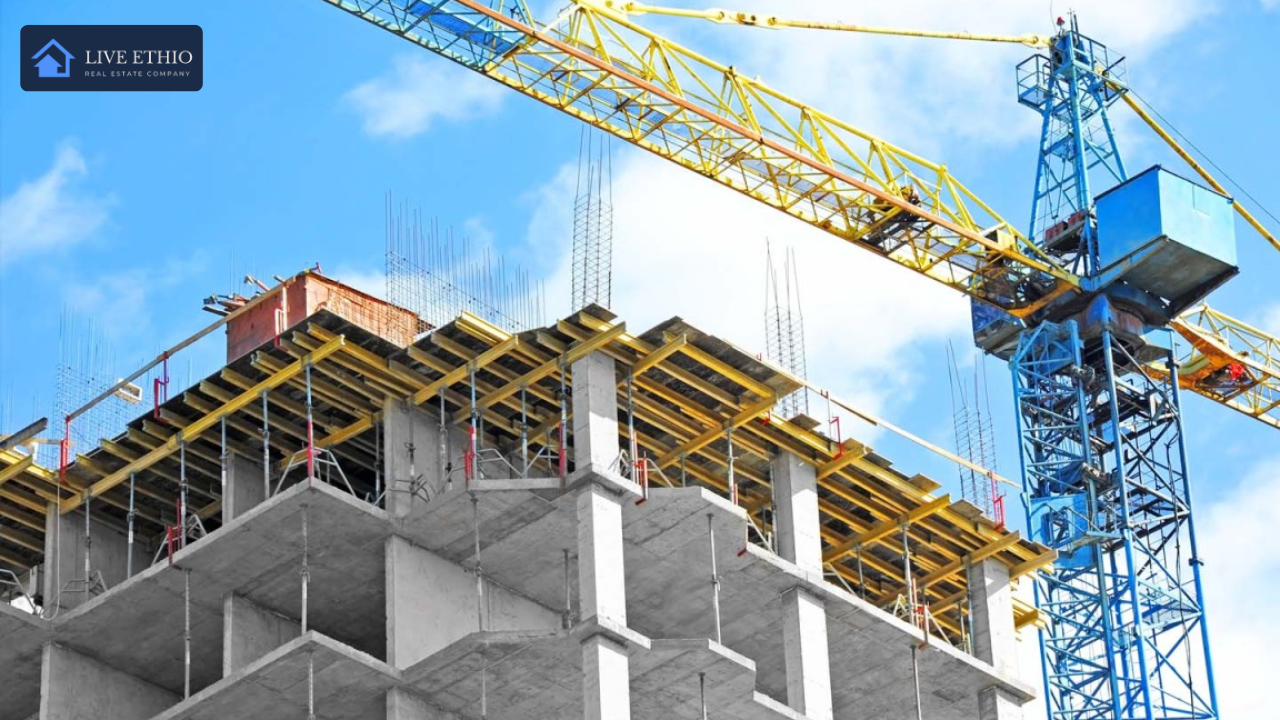
At its core, an off-plan property refers to real estate that is purchased before construction has been completed, often at the earliest stages of a project when only architectural drawings, floor plans, or 3D renderings are available. Buyers commit to the purchase based on projected outcomes rather than a finished unit. Globally, this model has been widely used in fast-growing cities where housing demand outpaces supply, as it allows buyers to secure properties at early-stage prices while giving developers access to upfront capital.
In Addis Ababa, off-plan property investment in Addis Ababa began gaining momentum over the past decade as rapid urbanization, population growth, and rising housing demand created pressure on the residential market. As land prices increased and construction costs rose, developers increasingly turned to off-plan sales to manage financing needs while still meeting market demand. This model also appealed to buyers looking to enter prime or emerging neighborhoods at prices that would typically be unavailable once construction was completed.
From a buyer’s perspective, one of the strongest attractions of off-plan purchases is price advantage. Properties sold before completion are usually offered at lower rates compared to ready units, with the expectation that their value will appreciate by the time construction is finalized. In addition, payment structures are often spread across construction milestones, making it easier for investors or end-users to manage cash flow. For many first-time buyers and diaspora investors, this flexibility makes off-plan properties more accessible than fully completed homes.
On the developer side, many Addis Ababa real estate developers rely on off-plan sales to reduce dependence on bank loans and maintain construction momentum. Early sales provide working capital, help validate market demand, and allow developers to plan projects more efficiently. In theory, this creates a mutually beneficial arrangement where buyers gain early access to property while developers secure financial stability during construction.
However, despite its advantages, buying off-plan in Addis Ababa also carries real and notable risks that should not be overlooked. One of the most common concerns is construction delay or project non-completion. Factors such as funding shortages, rising material costs, regulatory delays, or poor project management can significantly push back delivery timelines. In some cases, buyers have found themselves waiting years beyond the promised handover date, with limited legal recourse.
Another major risk is developer credibility. While there are reputable and experienced Addis Ababa real estate developers, the market also includes newer or under-capitalized players. Purchasing from a developer without a proven track record increases the risk of unfinished projects, altered specifications, or unmet contractual obligations. Since buyers commit funds early, weak accountability mechanisms can leave them exposed if a project stalls or deviates from the original plan.
There is also the issue of quality uncertainty. Because off-plan buyers cannot physically inspect the finished property at the time of purchase, they rely heavily on marketing materials and promises. The final product may differ in layout, finishing, or overall quality, which can impact both livability and resale value. This uncertainty becomes more pronounced in markets where regulatory oversight and consumer protection frameworks are still developing.
Market fluctuations add another layer of risk. Real estate values are not guaranteed to rise, and changes in economic conditions, policy, or demand can affect property prices between purchase and completion. If the market slows, buyers may find that the completed unit is worth less than anticipated, reducing expected returns.
That said, off-plan property investment in Addis Ababa is not inherently unsafe. The level of risk largely depends on due diligence, developer selection, and contract structure. Buyers who thoroughly research developers, review previous projects, verify land ownership, and work with professional real estate consultants significantly reduce their exposure. Clear contracts, milestone-based payments, and realistic delivery timelines also play a critical role in protecting buyer interests.
In a city like Addis Ababa where housing demand remains strong and urban expansion continues off-plan properties can still present meaningful long-term opportunities. However, success depends on approaching such investments with caution, realistic expectations, and trusted guidance. When buyers align with reputable Addis Ababa real estate developers and make informed decisions, off-plan purchases can shift from being a perceived risk to a calculated investment strategy.