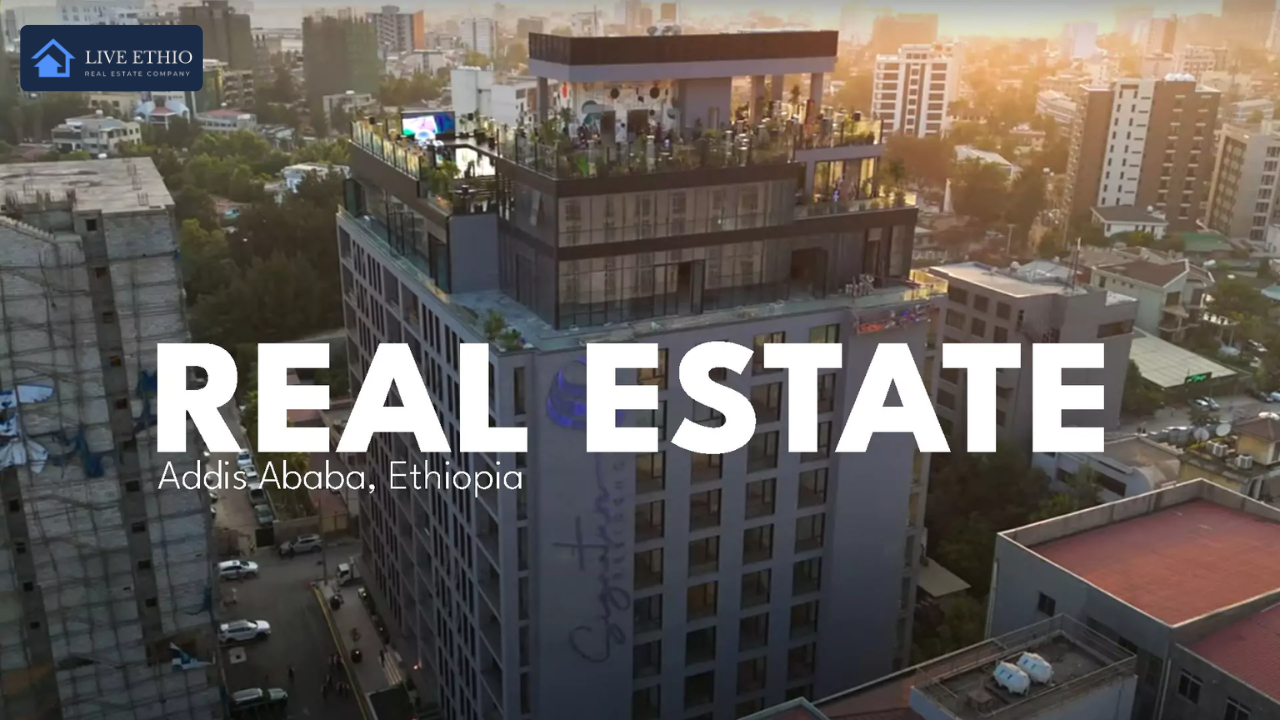
The Ethiopian real estate market in 2025 experienced a period of dynamic shifts, reflecting broader economic trends, evolving demand patterns, and changing investment behavior. While the sector faced both opportunities and challenges, overall activity remained robust, driven by rapid urbanization, demographic growth, and increased interest from both local and diaspora investors.
A Year Defined by Demand and Urban Expansion
In 2025, Ethiopia’s real estate market was characterized by strong demand for residential properties, particularly in Addis Ababa and other urban centers such as Dire Dawa, Hawassa, and Bahir Dar. This demand was fueled by continued rural-to-urban migration, expanding middle-class households, and an increasing desire for home ownership among younger generations. Residential segments such as apartments, townhouses, and gated communities saw notable interest as buyers sought modern living spaces with convenient access to amenities and transportation networks.
Commercial real estate also showed signs of recovery after the uncertainties of previous years. Office spaces, retail outlets, and mixed-use developments in prime urban locations attracted both local businesses and international brands looking to establish or expand their presence in Ethiopia’s growing economy. Despite global economic headwinds, the commercial segment demonstrated resilience, supported by stable occupancy rates and forward-looking investors confident in long-term returns.
Drivers of Market Activity
Several key factors influenced the real estate landscape in 2025:-
Population Growth and Urbanization:
Ethiopia’s population continued to grow rapidly, and urban centers absorbed much of this demographic expansion. Cities like Addis Ababa saw increased demand for housing as residents sought better access to jobs, education, and services. This demographic trend played a central role in shaping both residential and commercial property markets.
Infrastructure Development:
Infrastructure investments, including road expansions, light rail extensions, and improvements to utilities and telecommunications, enhanced the attractiveness of certain neighborhoods. Properties near major roadways, transportation hubs, and emerging business districts tended to see stronger interest and price appreciation.
Diaspora Investments:
Members of the Ethiopian diaspora played a pivotal role in sustaining market momentum. Many diaspora investors brought foreign currency into the market, purchasing residential units for both personal use and long-term investments. Their participation injected liquidity into the market and supported higher price tiers, particularly in desirable urban locations.
Challenges and Market Dynamics
Despite the overall positive trajectory, there were challenges that tempered growth in certain segments. Regulatory hurdles, complex land lease procedures, and fluctuating construction costs particularly for imported materials like cement and steel impacted project timelines and pricing strategies. These factors occasionally introduced uncertainty for both developers and buyers, especially in the mid-range residential segment.
Additionally, affordability remained a concern for many Ethiopian households, particularly first-time buyers. While luxury and mid-level developments flourished, lower-income housing options were less prevalent, highlighting an ongoing need for inclusive housing solutions that address the full spectrum of market demand.
Looking Ahead
As 2025 came to a close, stakeholders in Ethiopia’s real estate market entered 2026 with cautious optimism. The easing of material cost pressures, coupled with government efforts to improve regulatory frameworks and land access procedures, suggested potential for more balanced growth. Continued urbanization, rising incomes, and sustained interest from diaspora investors are expected to remain key drivers of property demand in the coming years.
In summary, the 2025 real estate market in Ethiopia reflected a sector in transition resilient, evolving, and increasingly aligned with broader economic and demographic trends. While challenges persisted, the underlying fundamentals of demand and investment appetite painted a promising picture for the future of real estate development in the country.