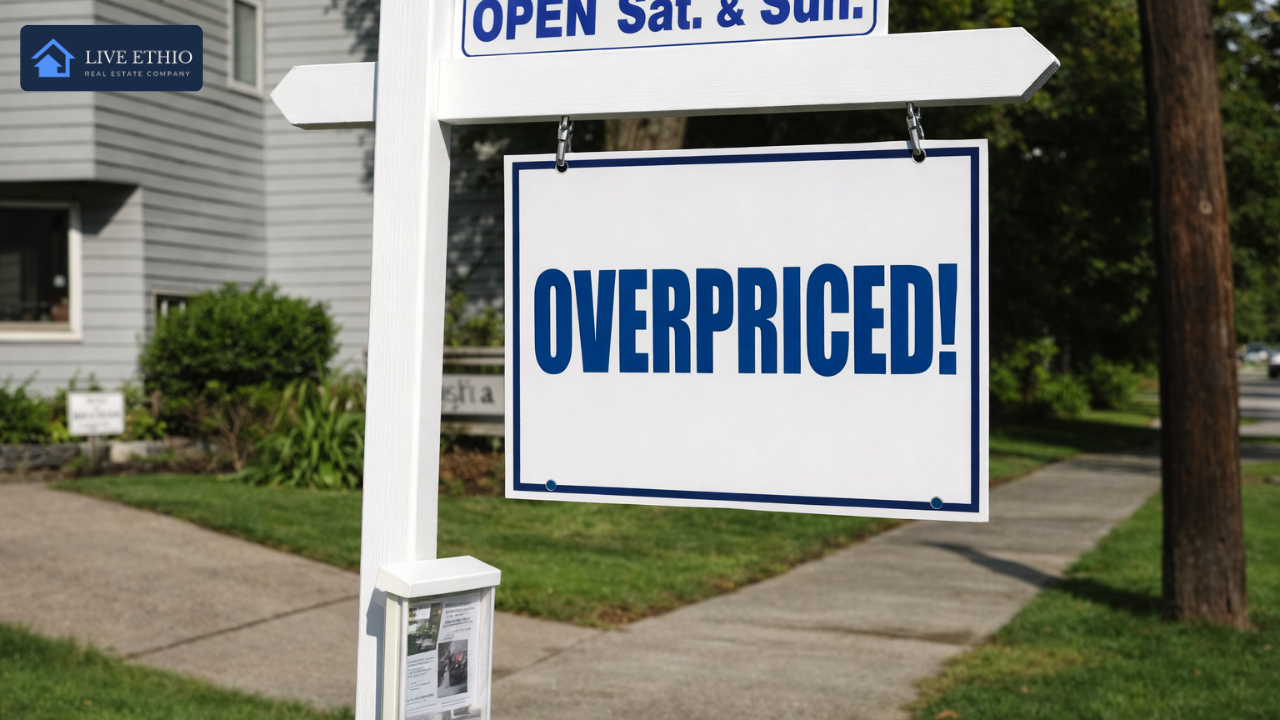
Paying too much for a property can quietly erode your finances and limit your flexibility, yet it’s a mistake many renters and buyers make because they focus only on appearance or location. Knowing how to identify an overpriced property helps you make smarter decisions and ensures your investment, whether in rent or purchase, is truly worth it.
The first step in evaluating a property’s value is to compare it with similar options in the same area. Look beyond the surface and examine homes of comparable size, condition, and layout. If one property is significantly higher in price without offering clear advantages, it may be overpriced. Price discrepancies often reflect perception rather than real value, so having a realistic sense of the market is essential.
Next, consider the condition of the property itself. Outdated finishes, poorly maintained walls and floors, or old appliances should lower the asking price, not justify it. While some premium properties can command higher rents or sale prices due to aesthetics or modern upgrades, any increase in cost should correspond with the quality and functionality of the property. Paying more for a poorly maintained home is rarely justified.
It’s also important to consider what the price actually includes. Some listings may appear expensive at first glance but include utilities, furnishings, security, or parking. Others may exclude these extras, which can turn an initially attractive price into a burden when monthly costs are added. Understanding the full package ensures you’re comparing properties accurately.
The length of time a property has been on the market is another useful indicator. A home that remains vacant for months may signal resistance from renters or buyers due to overpricing. Conversely, properties that attract immediate attention often reflect fair pricing. This is particularly true in areas with high demand, where competitive pricing is quickly rewarded with interest.
Finally, evaluate the value of the location realistically. Being in a “popular” or “prime” area does not automatically justify a high price. Consider accessibility, proximity to essential services, commute times, and neighborhood infrastructure. Location should add practical, measurable value to your life rather than serve as a status symbol.
Identifying an overpriced property requires careful observation, market research, and an honest assessment of value versus cost. Paying attention to these factors helps you avoid overcommitment, protects your financial flexibility, and ensures that the property you choose truly aligns with your lifestyle and long-term goals.