Beyond the Property – Why Neighborhood Matters
When considering real estate investment, most people focus primarily on the property itself its size, design, and construction quality. While these factors are critical, one often overlooked element is the surrounding neighborhood. The development and quality of a neighborhood can significantly influence property value, rental potential, and long-term appreciation.
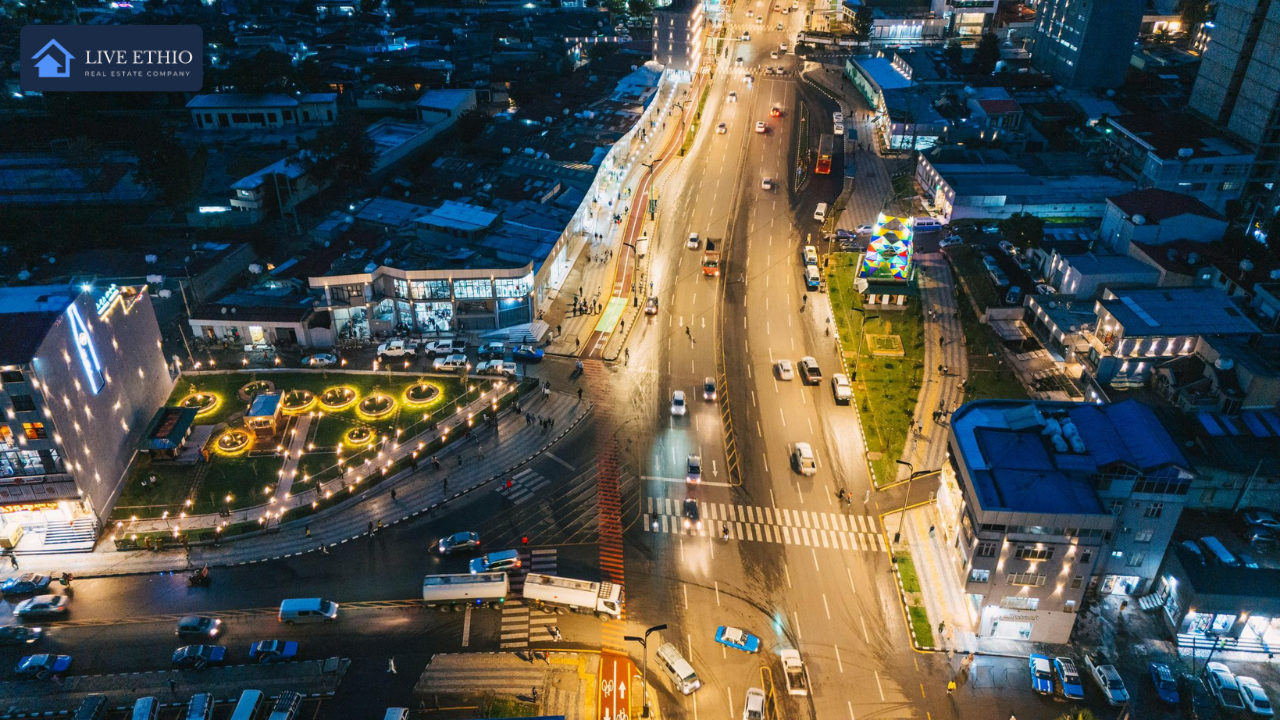
In Addis Ababa, neighborhoods are evolving rapidly. Infrastructure projects, commercial growth, and urban planning are transforming once-modest areas into prime real estate hotspots. For investors, understanding the dynamics of neighborhood development is crucial to making informed decisions that maximize returns.
This blog explores how neighborhood development affects property value, key indicators to watch, and practical tips for leveraging this factor as an investor.
1. Infrastructure Development and Property Value
Infrastructure improvements are among the most significant drivers of property appreciation. Roads, bridges, public transport, and utilities not only make life more convenient for residents but also increase the desirability of surrounding properties.
Key Infrastructure Indicators
- Road Networks: Wider, well-maintained roads reduce commute times and improve access to schools, hospitals, and commercial centers.
- Public Transportation: Light rail stations or bus networks increase connectivity, making properties more attractive to tenants and buyers.
- Utilities and Services: Reliable electricity, water supply, and internet services directly affect livability and tenant satisfaction.
Example: Areas near the newly expanded Addis Ababa Light Rail stations have seen property values increase by 15–25% over the past three years, as better connectivity attracts professionals and students alike.
Investors should monitor planned infrastructure projects, as neighborhoods with upcoming developments often offer early investment opportunities with higher appreciation potential.
2. Commercial Growth and Amenities
Neighborhood development is not only about roads or utilities it also includes commercial growth and availability of amenities. Restaurants, shopping centers, gyms, and entertainment hubs contribute to property attractiveness.
Why Amenities Matter
- Lifestyle Appeal: Residents prefer neighborhoods where daily needs are easily accessible.
- Rental Premiums: Properties close to amenities can command higher rents, especially from young professionals and families.
- Long-Term Appreciation: Areas with robust commercial activity tend to retain and grow in value, even in fluctuating markets.
Example: In Bole and Megenagna, residential properties near new shopping complexes and entertainment hubs consistently attract tenants willing to pay 10–20% more than similar units in less developed areas.
3. Safety and Security
Neighborhood development often includes improved security measures, which can significantly enhance property value. A well-planned neighborhood with good lighting, gated communities, and reliable security services reduces crime risks, making the area more desirable for residents.
- Crime Reduction: Neighborhoods with organized security patrols and surveillance experience lower crime rates.
- Tenant Attraction: Families and expatriates prioritize safe living environments.
- Property Value Increase: Buyers and renters are willing to pay more for properties in safe, well-managed neighborhoods.
Example: Properties in Saris and Ayat, located in emerging gated communities, have seen higher demand due to enhanced security, with rental rates exceeding nearby non-gated areas by 15%.
4. Green Spaces and Recreational Facilities
Parks, playgrounds, and open green spaces are increasingly recognized as major factors in neighborhood desirability. They not only provide aesthetic appeal but also improve residents’ quality of life.
Benefits of Green Spaces
- Health and Wellness: Access to outdoor spaces encourages exercise and recreation.
- Property Appeal: Apartments and houses near parks and gardens are more attractive to tenants.
- Long-Term Value: Neighborhoods with well-maintained green areas tend to retain higher property values.
Example: In neighborhoods near the Entoto Forest Reserve, residential properties benefit from scenic views and easy access to nature, resulting in faster sales and higher rental premiums.
5. Schools, Healthcare, and Essential Services
The presence of quality schools, hospitals, and essential services significantly influences property desirability. Families are willing to pay a premium for properties in neighborhoods with convenient access to education and healthcare facilities.
Key Considerations
- School Proximity: Properties near reputable schools attract families with children, ensuring long-term occupancy.
- Healthcare Access: Hospitals, clinics, and pharmacies improve livability and security for residents.
- Other Services: Supermarkets, banks, and community centers make daily life more convenient.
6. Community Planning and Development Trends
Well-planned neighborhoods with zoning regulations, urban development plans, and organized layouts are more likely to appreciate over time. These areas offer predictability, quality of life, and stability, which appeal to investors and residents alike.
Factors to Watch
- Zoning Regulations: Ensure the area allows for residential growth and prevents disruptive commercial encroachment.
- Planned Developments: Monitor government and private sector plans for infrastructure, commercial hubs, or public facilities.
- Urban Aesthetics: Tree-lined streets, pedestrian-friendly pathways, and planned recreational areas contribute to long-term property value.
7. The Role of Social and Economic Growth
Neighborhood development is also driven by social and economic factors, including employment opportunities, population growth, and local investment. Areas with rising employment, business hubs, and community engagement tend to attract residents, boosting property demand.
- Job Opportunities: Neighborhoods near industrial or commercial hubs attract tenants seeking shorter commutes.
- Population Growth: Growing communities increase demand for housing, retail, and services.
- Investment Activity: When developers and local governments invest in an area, property values often rise as amenities improve.
Example: In Ayat, the influx of businesses and government offices has driven a surge in residential demand, with property values increasing by 20% in just two years.
8. Tips for Investing in Developing Neighborhoods
Investors can maximize returns by understanding neighborhood development dynamics:
- Research Upcoming Projects: Track government plans for roads, transportation, and public services.
- Evaluate Current Amenities: Check schools, healthcare facilities, shopping centers, and recreational spaces.
- Assess Safety and Security: Look for areas with organized security and low crime rates.
- Monitor Population Trends: Growing populations indicate higher demand for housing.
- Consider Long-Term Growth: Avoid areas that are already saturated; emerging neighborhoods often offer better appreciation potential.
Neighborhood development plays a critical role in property value. While the property itself matters, the surrounding environment its infrastructure, amenities, safety, green spaces, and social growth directly affects rental income, resale value, and long-term appreciation.
For investors in Addis Ababa, paying attention to neighborhood trends is just as important as evaluating the property. Well-developed neighborhoods attract tenants, command higher rents, and appreciate faster over time.
By focusing on emerging areas with strong infrastructure, schools, healthcare, commercial hubs, and green spaces, investors can maximize returns and secure long-term wealth. In real estate, location is more than just a street it’s the entire neighborhood ecosystem that determines success.