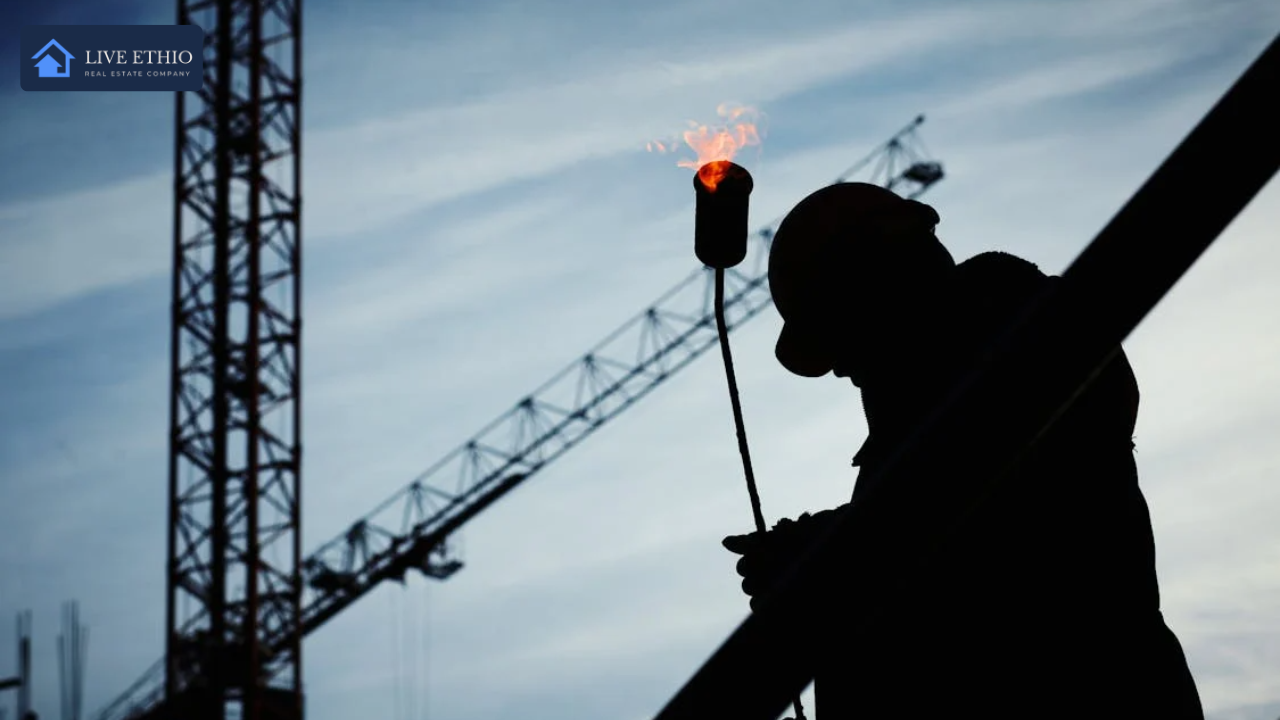
The construction industry in Ethiopia has evolved significantly over the past few decades, transforming the urban landscape and playing a crucial role in economic growth. From government-led infrastructure projects to private residential and commercial developments, the sector has experienced rapid growth, attracting both local and foreign investment. This article explores the evolution of construction in Ethiopia, the size and profitability of the market, and highlights some of the well-known construction companies driving this growth.
Evolution of Construction in Ethiopia
Historically, construction in Ethiopia was dominated by public infrastructure projects, including roads, bridges, and government buildings. Over time, urbanization, population growth, and economic reforms have spurred the growth of the private construction sector, particularly in residential and commercial real estate. Government-led initiatives, such as condominium housing schemes and industrial parks, have further fueled demand, encouraging the participation of local and international contractors. Today, construction in Ethiopia encompasses a wide range of activities, including residential housing, office buildings, roads, airports, and industrial facilities. The sector has matured with more advanced building techniques, improved materials, and an increasing number of private developers entering the market.
Which Construction Business Is the Most Profitable in Ethiopia?
Profitability in the Ethiopian construction sector varies by type of project and scale. Residential development, particularly condos and apartments, remains one of the most profitable segments. With high urban housing demand, residential projects offer strong long-term returns, especially when developers secure land and pre-sales through schemes like 40/60 or 20/80. Similarly, roads and infrastructure contracting can provide steady income and reliable cash flow for well-established contractors, especially through large-scale government-funded projects. Additionally, companies that produce building materials such as cement, concrete blocks, and prefabricated elements often enjoy high margins, particularly when integrated with ongoing construction projects. Entrepreneurs frequently find success by focusing on niches with predictable cash flow and lower capital intensity, such as subcontracting specialized trades or supplying construction materials.
How Big Is the Construction Market in Ethiopia?
The Ethiopian construction market is valued in the billions of USD and continues to grow as urbanization accelerates. Rapid population growth and increasing housing demand, combined with large-scale infrastructure projects funded by the government and international investors, have expanded the market. The development of industrial parks and commercial buildings, along with increased participation from private developers and foreign companies, has also contributed to its size. Projections suggest that the construction sector will continue to expand over the next decade, offering opportunities for both established companies and new entrants seeking to tap into Ethiopia's growing urban and industrial development.
Well-Known Construction Companies in Ethiopia
Several companies have established strong reputations in Ethiopia’s construction sector. MIDROC Ethiopia Construction is known for undertaking large-scale projects across residential, commercial, and infrastructure sectors. Sur Construction is active in both private and government projects, specializing in residential and commercial buildings, while Sunshine Construction has earned recognition for high-quality housing and commercial developments. Rama Construction offers a wide range of services, including industrial and residential projects, and Saba Engineering focuses primarily on civil engineering and infrastructure. When selecting a contractor, it is essential to verify their track record, client references, registration, and compliance with local regulations to ensure quality and reliability.
Challenges and Opportunities in the Construction Sector
Ethiopia’s construction sector presents significant opportunities, but it also faces challenges. High material costs, often influenced by currency fluctuations and import dependency, can impact project budgets. Skilled labor shortages, particularly in specialized trades, remain a persistent concern, while regulatory hurdles and delays in permitting processes can slow down project completion. Nevertheless, ongoing government investment, increasing urbanization, and sustained housing demand continue to make the sector attractive for investors and contractors alike.
Ethiopia’s construction industry has come a long way, evolving from primarily public infrastructure projects to a diverse market that includes residential, commercial, and industrial developments. Despite challenges, high demand, profitable niches, and reputable companies lead the way, creating numerous opportunities for growth and investment.
If you are looking to invest or collaborate in Ethiopia’s booming construction market, contact us today for expert guidance, project insights, and verified contractor connections to ensure the success of your next venture.
For more information or personalized assistance, feel free to call us at 0974 299 472 or 0947 002 233. Our team is ready to help you find the perfect home!