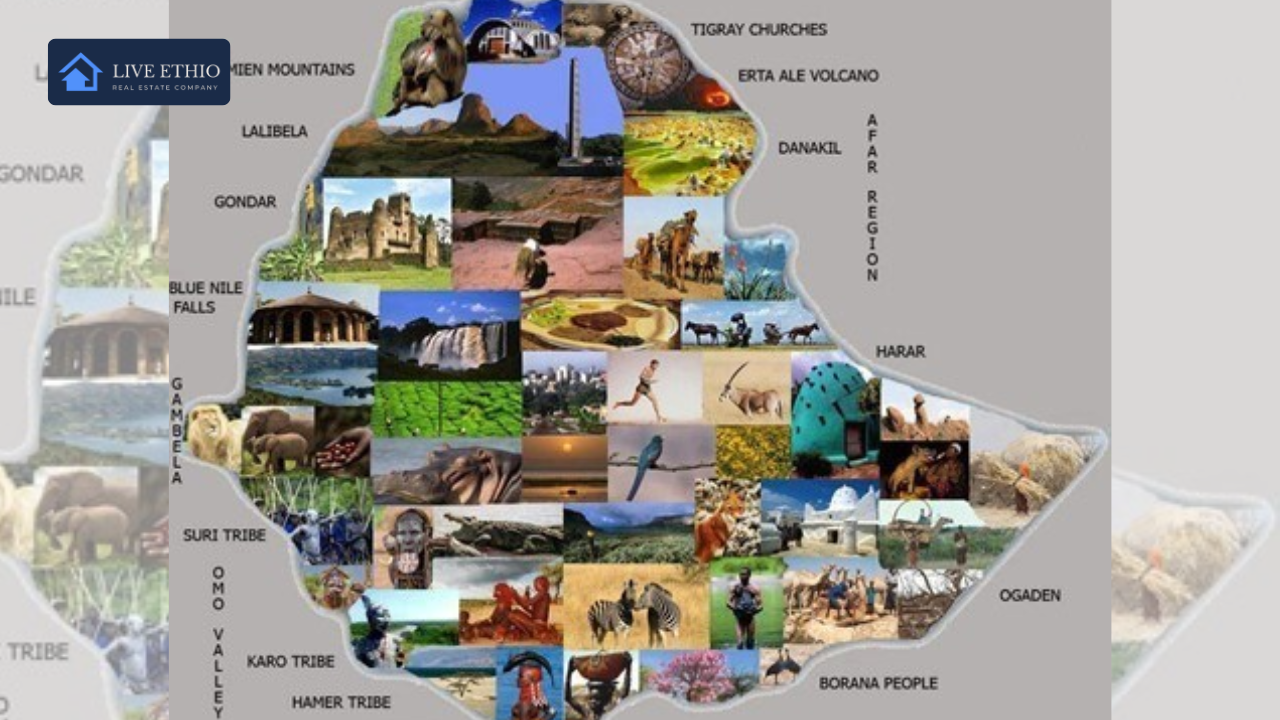
In recent years, Ethiopia has quietly transformed into one of Africa’s most exciting travel destinations. From the bustling streets of Addis Ababa to the serene beauty of the Simien Mountains, the country’s diverse landscapes and rich cultural heritage are drawing travelers from around the globe. According to the Ethiopian Ministry of Tourism, international arrivals have grown significantly, with Ethiopia climbing the global tourism rankings faster than ever before.
This surge in tourism isn’t just about numbers it’s about new opportunities for investment, job creation, and the expansion of sectors like real estate and hospitality. For a country that’s long been seen as the cradle of humanity, tourism is now becoming a key driver of modern economic growth.
The Importance of Tourism in Ethiopia
Tourism plays a vital role in Ethiopia’s economy by creating jobs, generating foreign exchange, and encouraging infrastructure development. As more visitors arrive, demand grows for hotels, furnished apartments, restaurants, and entertainment venues all of which stimulate local businesses.
Beyond economics, tourism also helps promote Ethiopia’s image abroad. Each visitor who experiences Ethiopia’s warm hospitality becomes an ambassador, sharing stories that reshape outdated perceptions and highlight the country’s progress.
The government’s renewed focus on tourism under initiatives like “Dine for Ethiopia” and the expansion of Bole International Airport have made traveling more convenient than ever. Addis Ababa’s position as a major African hub through Ethiopian Airlines also continues to attract global travelers seeking both leisure and business opportunities.
The Five Main Types of Tourism in Ethiopia
Ethiopia’s tourism appeal is broad, offering something for every kind of traveler. The country’s unique mix of history, culture, nature, and spirituality gives rise to five main forms of tourism:
Cultural Tourism – Ethiopia is home to over 80 ethnic groups, each with distinct languages, clothing, music, and traditions. Visitors flock to festivals like Timket (Epiphany) and Meskel (Finding of the True Cross), which offer a colorful glimpse into Ethiopia’s spiritual identity.
Historical Tourism – Cities like Lalibela, Axum, and Gondar attract thousands of visitors each year who come to see rock-hewn churches, ancient obelisks, and castles that date back centuries. These sites make Ethiopia a must-visit for history lovers.
Eco and Nature Tourism – From the Simien Mountains National Park to the Bale Mountains, Ethiopia’s natural beauty is unmatched. Travelers seeking adventure can trek, camp, and explore endemic wildlife like the Ethiopian wolf and Gelada baboon.
Religious and Pilgrimage Tourism – As one of the oldest Christian nations in the world, Ethiopia draws pilgrims to sacred sites such as the Church of St. Mary of Zion and Debre Libanos Monastery.
Business and Conference Tourism – Addis Ababa, the political capital of Africa, hosts international meetings and events year-round, attracting thousands of professionals and investors. This has led to a rise in the demand for short-term rentals and modern office spaces a trend closely linked to the real estate sector.
Tourism’s Ripple Effect on Real Estate and Investment
Tourism growth is directly influencing Ethiopia’s real estate industry. As more international travelers, expats, and investors visit, demand for short- and long-term accommodations continues to climb. This has encouraged the construction of hotels, serviced apartments, and Airbnb-style rental properties in prime locations like Bole, Kazanchis, and Bisrate Gebriel.
For diaspora investors, this creates a golden opportunity to buy or lease property in a growing market. With tourism on the rise, the potential for steady rental income and long-term property appreciation is stronger than ever.
If you’re considering investing in Ethiopian real estate, you can read our latest blog on Updated Mortgage Loan Options in Ethiopia for Diaspora and Local Buyers to learn about financing opportunities and incentives available for both locals and the diaspora.
Best Time to Travel to Ethiopia
For travelers planning their visit, timing is everything. Ethiopia’s diverse climate makes it a year-round destination, but some seasons are better suited for certain experiences. To find out when to visit for festivals, ideal weather, and cultural events, see our guide on Best Time to Travel to Addis Ababa
Proper planning ensures a smoother trip, especially when it comes to adjusting to altitude, booking accommodation early, and exploring safely topics we’ve covered in Health Tips for Traveling to Ethiopia
Ethiopia’s Tourism Vision for 2025 and Beyond
Looking ahead, Ethiopia aims to welcome over 5 million international tourists annually by 2030. The government’s “Home of Origins” tourism brand is helping position the country as a destination that blends authenticity with modern comfort. Meanwhile, investments in infrastructure from new roads to upgraded airports are making travel more accessible than ever. Sustainability is also becoming a major focus. Eco-friendly lodges, conservation efforts, and cultural preservation programs ensure that tourism growth benefits local communities without harming the environment.
This balance between tradition and progress is what makes Ethiopia stand out. Tourists are not just visiting they’re participating in a story of transformation, one that celebrates heritage while embracing innovation. Ethiopia’s rise in global tourism rankings is more than just a statistic it’s a reflection of a country in motion. From its ancient wonders to its vibrant modern cities, Ethiopia offers a blend of experiences few destinations can match.
As tourism continues to grow, so will opportunities in real estate, hospitality, and investment creating a cycle of sustainable development that benefits everyone. Whether you’re a traveler, investor, or member of the Ethiopian diaspora, there’s never been a better time to experience and be part of Ethiopia’s growth story.