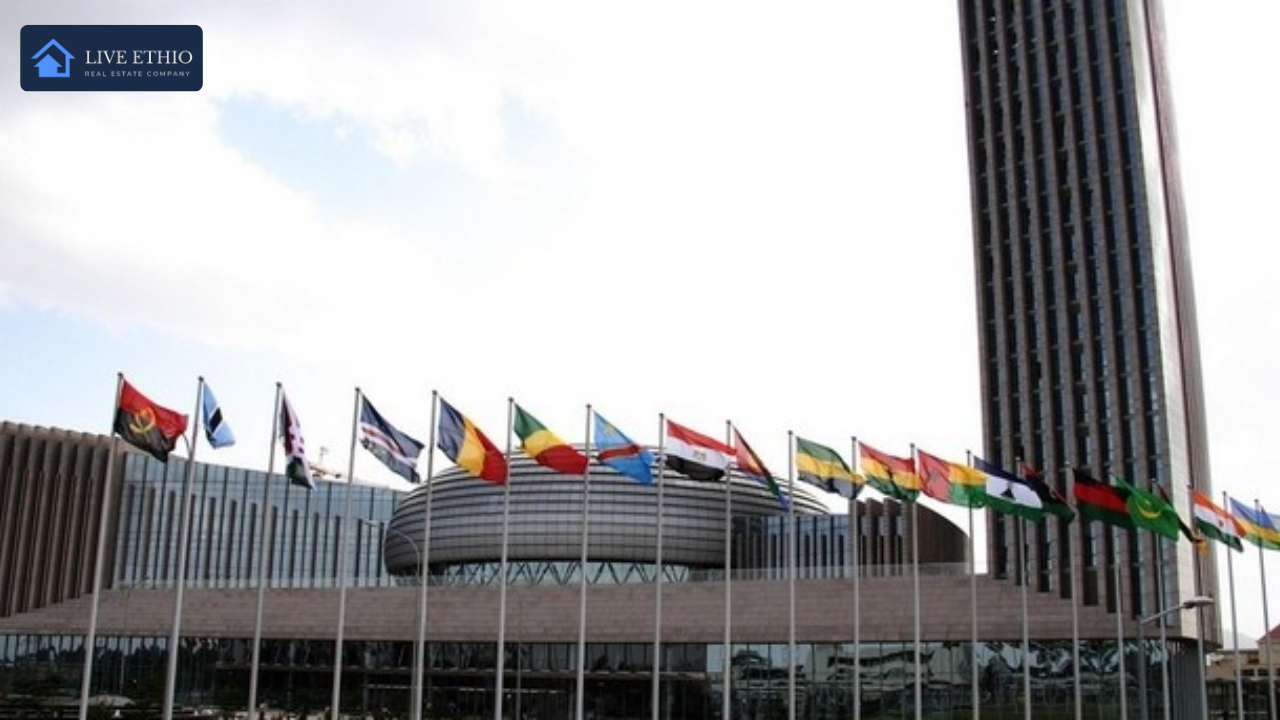
Addis Ababa is widely recognized as one of Africa’s most important diplomatic hubs—a status earned through history, strategic geography, political stability, and Ethiopia’s unique cultural influence. With more than 130 embassies and consulates, along with major regional and global organizations headquartered in the city, Addis Ababa has become the second-largest diplomatic center in the world after New York, according to the African Union and multiple international reports. For governments, NGOs, and international institutions considering establishing a presence in East Africa, Ethiopia remains one of the most strategic choices.
This blog explores why countries establish embassies in Addis Ababa, the key international organizations operating in Ethiopia, what makes the city a strategic diplomatic base, and where the best embassy locations are found today.
1. A Brief History of Diplomacy in Ethiopia
Ethiopia is one of the world’s oldest independent nations, with a long tradition of diplomacy dating back centuries. The country maintained written international relations long before colonization reached Africa, sending emissaries to Europe, the Middle East, and Asia as early as the 15th century. Because Ethiopia was never colonized, heads of state and global institutions viewed it as a symbol of African sovereignty.
A major turning point came in 1963, when Ethiopia under Emperor Haile Selassie layed a central role in forming the Organization of African Unity (OAU). This organization later transformed into the African Union (AU), now headquartered in the heart of Addis Ababa. The presence of the AU attracted embassies, development partners, NGOs, and multinational bodies, all seeking proximity to Africa’s political decision-making center.
Since then, Addis Ababa has grown into a city where global diplomacy, peace negotiations, humanitarian missions, and regional cooperation take place daily.
2. Why Ethiopia Is Home to So Many Embassies
There are several reasons why countries continue to establish embassies, consulates, and diplomatic missions in Ethiopia—many of which make the country ideal for governments and organizations seeking a long-term regional base.
a. Strategic Geographic Location
Ethiopia is located at the crossroads of Africa and the Middle East, connecting:
- East Africa
- The Horn of Africa
- Central Africa
- The Red Sea corridor
- The Gulf region
Addis Ababa serves as a practical gateway for diplomats and organizations operating across the continent. Its proximity to major conflict zones makes it a convenient site for mediations, peacekeeping operations, and humanitarian coordination.
b. Political and Diplomatic Significance
Hosting the African Union, the United Nations Economic Commission for Africa (UNECA), and several regional economic communities gives Ethiopia one of the strongest diplomatic ecosystems in Africa. Many countries require embassies in Addis Ababa specifically to maintain representation at the AU.
For example, nations without embassies in other African countries still maintain missions in Ethiopia due to:
- AU Summits
- Bilateral and multilateral agreements
- Peace and security dialogues
- Regional development programs
This makes Addis Ababa a central hub for continental decision-making.
c. A Stable Base for International Operations
Despite challenges in certain periods, Ethiopia has historically offered:
- A stable government
- A predictable diplomatic environment
- A secure capital city
- Supportive policies for international missions
This stability explains why global institutions such as the EU Delegation, USAID, the World Bank, and the UN agencies operate some of their largest African missions from Addis Ababa.
D. An International Transit and Aviation Hub
Bole International Airport, one of Africa’s busiest, provides direct flights to:
- Over 100 international destinations
- Diplomatic capitals such as Washington, Beijing, Brussels, and London
- Most major African cities
This accessibility makes it easy for diplomats to move between Addis Ababa and their home headquarters.
E. Ethiopia’s Influence in Peacekeeping and Regional Politics
Ethiopia’s historical role in African peacekeeping and mediation for example, its role in Somalia, Sudan, South Sudan, and Eritrea has made the country an essential contact point for diplomatic missions involved in security, development, and conflict resolution.
3. Key International Organizations in Ethiopia
Addis Ababa hosts a wide range of international bodies, making the city a center of multilateral cooperation. Some of the major organizations include:
a. African Union (AU)
The AU Headquarters is located in Addis Ababa, and it remains the most important diplomatic presence in the country. Its modern complex, built with support from China, hosts African Heads of State several times a year.
b. United Nations Economic Commission for Africa (UNECA)
UNECA’s headquarters in the Kazanchis area strengthens Ethiopia’s diplomatic profile. The UN also operates country and regional offices in various sectors:
- UNDP
- UNICEF
- WHO
- UNHCR
- WFP
- FAO
c. European Union Delegation
The EU runs one of its largest African operations from Addis Ababa, focusing on trade, development cooperation, and AU diplomacy.
d. Major Development Agencies
Several global organizations maintain operations here due to the country’s population size and need for development initiatives:
- USAID
- GIZ (Germany)
- JICA (Japan)
- DFID/FCDO (UK)
- World Bank
- African Development Bank
e. IGAD and Regional Institutions
The Intergovernmental Authority on Development (IGAD) holds important meetings in Addis Ababa, especially related to peace and security in the Horn of Africa.
These institutions attract embassy personnel, NGOs, business investors, and international staff further boosting the city’s global profile.
4. Best and Most Suitable Locations for Embassies in Addis Ababa
When countries seek to open or relocate an embassy in Addis Ababa, several neighborhoods stand out due to their security, accessibility, and diplomatic prestige.
a. Bole
Bole is one of the most preferred embassy zones because it is:
- Close to Bole International Airport
- Highly secure
- Filled with modern office spaces and residential villas
- Home to international schools and hotels
Many embassies including those of Japan, Kenya, and Israel operate in and around this district.
b. Kazanchis
Kazanchis is another major diplomatic area due to its proximity to:
- UNECA
- Major international hotels (Hyatt Regency, Radisson Blu, Hilton)
- AU venues
Several European and Middle Eastern embassies and UN offices are located here.
c. Megenagna
Megenagna remains a growing location for new embassy real estate developments. Its advantages include:
- Easy access to major roads
- Proximity to business centers
- Plenty of office and residential building options
d. Old Airport (International Community Zone)
The Old Airport area has historically housed many diplomatic residences. It is known for:
- Secure compounds
- High-end villas
- Quiet neighborhoods
This area is highly popular among expatriates working for embassies and international organizations.
e. Bisrate Gebriel & Sarbet
These neighborhoods offer:
- Modern apartments and villas
- Good security
- Proximity to supermarkets, clinics, and schools
They are preferred by embassy staff, NGOs, and international consultants.
5. Why Countries Should Consider Opening an Embassy in Ethiopia Today
For governments evaluating new diplomatic posts in Africa, Ethiopia offers several strong advantages:
a. Influence Over African Policy
Being in Addis Ababa allows direct engagement with AU decisions on:
- Trade agreements
- Continental free movement
- Security and peacekeeping
- Climate and development strategies
b. Strong Bilateral Relations Opportunities
Embassies in Addis Ababa gain access to one of Africa’s most populous and influential countries, allowing partnerships in:
- Investment
- Renewable energy
- Agriculture
- Infrastructure
- Cultural exchange
c. Rapidly Growing Market
Ethiopia despite challenges remains one of the fastest-growing markets in Africa, creating opportunities for countries seeking:
- Trade expansion
- Construction contracts
- Telecommunications investment
- Industrial partnerships
d. Central Base for Regional Work
From Addis Ababa, embassies manage diplomatic and economic work that extends to:
- Djibouti
- Eritrea
- Somalia
- Sudan
- South Sudan
- Kenya
Many embassy staff based in Addis coordinate regional peace and humanitarian missions.
e. Large Expat and International Community
The diplomatic community contributes to:
- International schools
- High-quality hospitals
- Global-standard restaurants
- Secure residential compounds
This makes Addis Ababa a comfortable and practical base for embassy personnel.
Addis Ababa is more than just Ethiopia’s capital it is one of Africa’s key diplomatic power centers. With its deep historical roots, political significance, and central location in the Horn of Africa, it continues to attract embassies, international agencies, and global organizations. For countries planning to expand their diplomatic presence on the continent, Ethiopia offers both strategic influence and long-term stability.
Whether for political, economic, humanitarian, or cultural engagement, opening an embassy or diplomatic office in Addis Ababa positions a country at the heart of African decision-making. And for international staff, the city provides modern amenities, secure neighborhoods, and a thriving international community, making it one of the most attractive diplomatic postings in Africa.