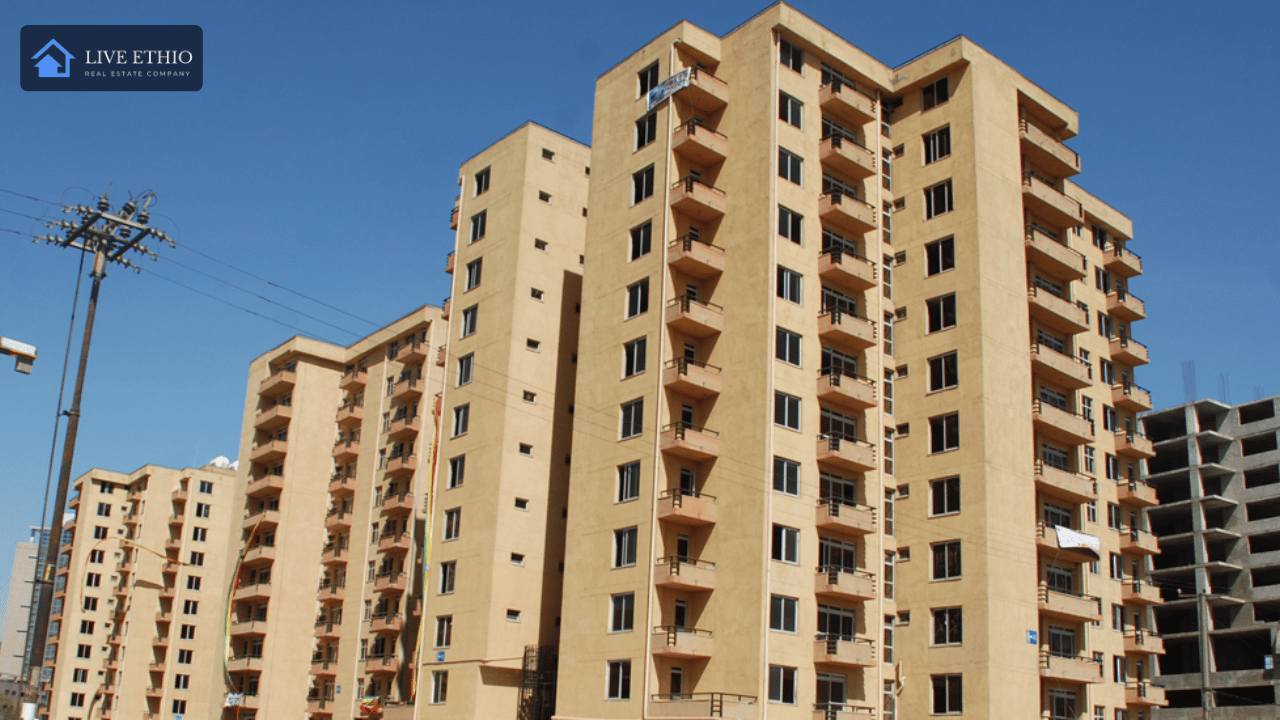
A condominium can be more than a place to live. For property owners who purchase the right unit at the right price, it may also become a source of rental income. In Ethiopia, where households, professionals, students, and organizations require different types of accommodation, condominium rentals can offer an opportunity for investors willing to research the market and manage their properties carefully. However, buying a condominium does not automatically make it a profitable rental business. Investors need to understand the unit's legal status, the demand for rental housing in its location, the rent tenants are realistically willing to pay, and the expenses involved in keeping the property occupied and well maintained. This guide explains how condominium rental investment works in Ethiopia, how to evaluate a unit before purchasing it, and how to manage the property as a business rather than simply treating it as an asset.
What does it mean to operate a condominium as a rental business?
Operating a condominium as a rental business means acquiring or owning a condominium unit and allowing another person or organization to occupy it in exchange for rent under an agreed arrangement. The rental model may involve a long-term residential lease or, where permitted and commercially suitable, a different rental arrangement. The right approach depends on the property's location, furnishing, building rules, applicable legal requirements, and the type of tenant the owner intends to attract. For example, an unfurnished condominium may appeal to a household looking for a longer-term home. A furnished unit near major workplaces or international organizations may appeal to professionals who need accommodation without purchasing furniture and appliances. These options can have different income potential and cost structures. Furnished units may require more initial investment and ongoing maintenance, while unfurnished units may require less furnishing expenditure but may attract a different tenant pool. Before purchasing a unit for rental purposes, investors should first understand the wider [real estate market in Ethiopia] and identify the kind of demand they want to serve.
Why consider condominium rental investment in Ethiopia?
One potential advantage of condominium investment is that the investor can focus on a single residential unit rather than acquiring and maintaining an entire building. Depending on the development, shared building facilities and common areas may also have established maintenance arrangements. Condominiums can serve different rental markets, including local households, working professionals, students, and people relocating to Addis Ababa. The strongest opportunity depends on the unit's price, condition, location, and suitability for a particular tenant group. A condominium can also provide a practical starting point for someone learning about rental property investment. Rather than immediately managing several properties, an investor can begin with one unit, establish a reliable management process, and evaluate the actual income and expenses. Nevertheless, condominium investment carries risks. Units may remain vacant, tenants may pay late, maintenance expenses may rise, and the achievable rent may be lower than expected. The investor must evaluate these risks before committing capital.
Choosing the right condominium for rental income
Location matters more than a neighborhood's reputation alone
A well-known neighborhood does not guarantee that every condominium within it will perform well as a rental investment. The specific location, accessibility, building condition, and surrounding services can be just as important as the name of the area.
In Addis Ababa, investors might compare condominiums in Bole, CMC, Gerji, Ayat, Summit, and other residential districts. Each location may appeal to a different group of renters, and prices and rental demand can vary considerably between developments. Bole may be worth investigating for tenants who value access to commercial services, restaurants, hotels, and airport routes. CMC, Gerji, Ayat, and Summit may be worth comparing for households looking for residential developments and access to expanding parts of the city. These are starting points for research, not a guarantee of rental performance. Investors should compare actual listings, visit the development, assess accessibility, and speak with local property professionals before choosing a unit. For a more detailed comparison, readers can explore [Best Neighborhoods in Addis Ababa to Live, Rent and Run a Business].
Select a unit that matches tenant demand
The number of bedrooms, floor level, natural lighting, layout, ventilation, parking, security, water supply, and building maintenance can influence a condominium's attractiveness. A one-bedroom unit may suit a single professional or a couple, while a two- or three-bedroom unit may appeal to families or tenants who need additional space. However, the best option is not necessarily the largest unit. The purchase price must be justified by the rent that the market can realistically support. Investors should also evaluate whether the unit needs repairs, whether the building has reliable utilities, and whether the shared areas are maintained properly. A lower-priced unit may become expensive if it requires major work before tenants can move in.
Verify the documentation before paying
Before purchasing a condominium, establish who legally holds the relevant rights and whether those rights can be transferred under the applicable rules. Check the unit's registration, relevant ownership or landholding documents, outstanding payments, and any restrictions or obligations associated with the development. Where the condominium is part of a larger residential scheme, buyers should also understand the rules governing common areas, shared maintenance, and any management fees.
The official landholding and registration process may require different documents depending on the circumstances. Buyers should verify the specific requirements with the appropriate authority and seek legal advice where necessary.
How to calculate rental income from a condominium
Investors should calculate the property's potential income before purchasing it. A basic starting point is gross rental yield, which compares annual rent with the acquisition cost.

The gross yield is 9%, but this figure does not represent the investor's actual profit.
The owner may need to pay for repairs, common-area maintenance, property management, furnishing, applicable taxes, and periods when the property is vacant. If the property is furnished, appliances and furniture may also need to be replaced over time. To estimate the net return, subtract the relevant annual operating expenses from the annual rental income, then compare the remaining income with the total investment cost. The investor should also consider financing costs if the purchase involves borrowing. The rent in this example is illustrative, not a claim about the current market rate for all condominiums in Ethiopia.
Furnished versus unfurnished condominiums
A furnished condominium may attract tenants who need a move-in-ready home. These may include professionals relocating for work, international employees, consultants, or other people who prefer not to buy furniture for a temporary stay. However, furnishing increases the initial investment and creates additional responsibilities. The owner may need to maintain beds, sofas, kitchen appliances, curtains, lighting, and other household items. Damage and replacement costs should be included when estimating profitability. An unfurnished condominium may be more appropriate for tenants who already have furniture and plan to stay longer. Depending on the market, this arrangement may reduce the owner's initial costs and the frequency of furniture-related maintenance. The decision should be based on evidence from comparable properties. Investors should compare furnished and unfurnished listings in the same area, with similar bedroom counts and building quality, rather than assuming that furnished properties always generate better returns.
Managing tenants and maintaining the property
A rental business requires more than finding someone willing to pay rent. Owners need a clear process for screening prospective tenants, preparing lease agreements, recording payments, handling maintenance requests, and inspecting the property when appropriate. The lease should clearly establish the rental amount, payment dates, lease duration, deposit arrangements, utility responsibilities, maintenance obligations, and conditions for renewal or termination. Property handover should also be documented, including the condition of the unit and any furniture or appliances provided. Maintenance should be handled promptly and recorded properly. Small issues such as plumbing leaks or electrical faults can become more expensive if ignored. A clear process for reporting and resolving problems can improve the tenant's experience and protect the property's condition. Owners who live abroad may find these responsibilities particularly difficult. A local property manager can help coordinate communication, inspections, repairs, and other agreed services. Before appointing one, owners should confirm the fees, reporting arrangements, authority to approve expenses, and procedures for handling rental income. Our related article, [How to Manage Rental Property in Ethiopia While Living Abroad], explores these challenges in more detail.
Legal and financial considerations
Owners should establish whether their rental arrangement requires particular registrations, permits, tax treatment, or other compliance steps. Requirements may vary according to the nature of the activity and the owner's circumstances.Rental income should be recorded accurately, and owners should retain relevant agreements, receipts, expense records, and supporting documents. A qualified local tax professional can help determine which obligations apply. Investors should also avoid assuming that every condominium can be used in any manner they choose. The development's rules, applicable laws, and the terms governing the property may affect how it can be occupied or rented. If the investor plans to establish a formal business around multiple rental units or property services, the business registration and licensing requirements should be examined separately. See [How to Register Your Business in Ethiopia] for a general introduction.
Common mistakes condominium investors should avoid
One of the most common mistakes is purchasing a unit based on an optimistic rental estimate without checking comparable properties. Another is focusing exclusively on the purchase price while ignoring repairs, vacancies, maintenance, and other costs. Investors can also underestimate the importance of documentation. A property that appears attractive may present significant problems if the seller cannot establish the relevant legal rights or if outstanding obligations have not been resolved. Finally, some owners fail to plan for management after the tenant moves in. A successful rental operation needs clear procedures for payments, maintenance, communication, and recordkeeping.
A condominium can become a rental income asset in Ethiopia when the investor chooses a suitable unit, verifies its legal status, understands tenant demand, and calculates the full cost of ownership. The objective should not simply be to purchase a condominium and find a tenant. It should be to establish a rental arrangement that is financially realistic, legally appropriate, and manageable over time. Live Ethio Real Estate Consulting can help investors explore available properties in Addis Ababa, compare locations, and understand the practical considerations involved in renting out residential units.