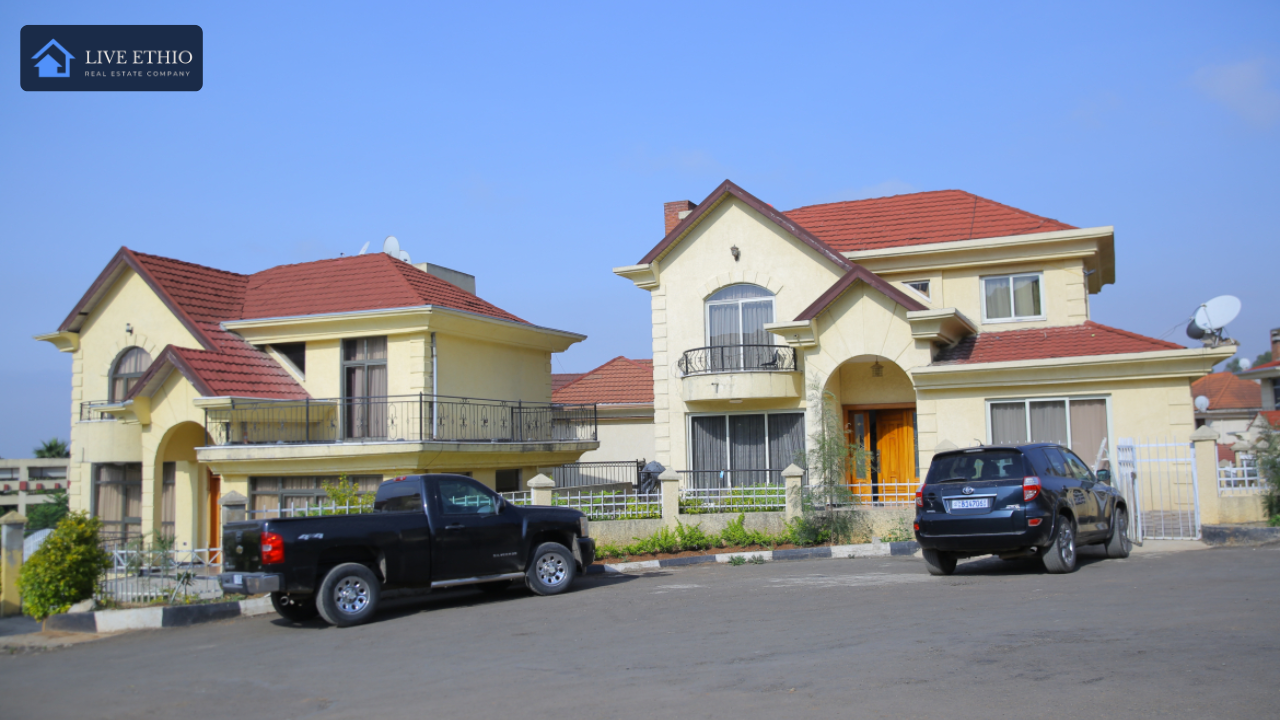
Addis Ababa’s real estate market is experiencing one of its most significant growth periods in recent years. As we move into 2025, property prices across key neighborhoods are rising rapidly, driven by a combination of economic reforms, infrastructure development, growing demand, and limited housing supply. Whether you are a homebuyer, investor, or someone considering relocating to Ethiopia, understanding the factors behind this real estate boom is essential.
1. Strong Demand with Limited Supply
One of the main reasons property prices are rising in Addis Ababa is the imbalance between supply and demand. The city’s population continues to grow, fueled by urban migration, a young workforce, and increased interest from the Ethiopian diaspora. However, the supply of high-quality residential and commercial properties has not kept pace. Construction delays, rising building material costs, and regulatory processes have limited new developments, pushing prices upward especially in prime areas like Bole, Kazanchis, Old Airport, and Sarbet.
2. Infrastructure and Urban Development Projects
Major infrastructure projects are reshaping Addis Ababa and directly impacting property values. Ongoing road expansions, improved public transportation, new commercial hubs, and upgraded utilities have made several neighborhoods more attractive for living and business.
Areas close to new developments, business districts, and improved road networks are seeing faster appreciation, as buyers are willing to pay a premium for convenience and long-term value.
3. Economic Reforms and Investment Confidence
Recent economic reforms aimed at liberalizing key sectors have increased investor confidence in Ethiopia’s long-term growth. Both local and foreign investors are viewing real estate as a relatively stable asset compared to currency fluctuations and inflation.
As a result, many investors are choosing to park their capital in property driving up demand for apartments, commercial buildings, and land in strategic locations.
4. Rising Construction and Land Costs
The cost of building in Addis Ababa has increased significantly. Imported construction materials, labor costs, and land prices have all gone up over the past few years. Developers are passing these costs on to buyers, resulting in higher sale and rental prices.
Land scarcity in central areas has also intensified competition, making plots more expensive and pushing new developments further outward while central locations continue to appreciate faster.
5. Increased Demand from Expats, NGOs, and Diplomats
Addis Ababa remains Africa’s diplomatic capital, hosting international organizations, embassies, NGOs, and multinational companies. This has created strong demand for high-standard rental properties, particularly furnished apartments and villas in secure neighborhoods.
This steady demand has pushed rental prices higher, which in turn has increased property values as investors seek better rental yields.
6. Real Estate as a Hedge Against Inflation
With inflation affecting many sectors of the economy, real estate has become a preferred store of value. Property owners are adjusting prices to protect their investments, while buyers are motivated to purchase sooner rather than later to avoid future price increases.
What This Means for Buyers and Investors in 2025
- Buyers may face higher entry prices, but early purchases can still offer long-term appreciation.
- Investors can benefit from strong rental demand and rising property values, especially in well-located neighborhoods.
- Renters should expect continued rental increases, particularly for modern apartments and family homes.
The 2025 Addis Ababa real estate boom is being driven by real economic and structural factors, not speculation alone. While prices are rising fast, the city’s long-term growth prospects continue to make real estate an attractive investment.
For anyone considering buying, selling, or investing, working with experienced local real estate professionals is crucial to navigating the market effectively and securing the best opportunities.